

Addiction
What is addiction?
Spotting addiction can be challenging as it often starts subtly, with seemingly harmless behaviours gradually intensifying over time. One key indicator is a noticeable shift in priorities and interests toward activities or substances that consume much of the individual's time and energy. Changes in mood, such as increased irritability, mood swings, or withdrawal from social activities, can also be signs of addiction. Physical symptoms like weight loss, appetite changes, or personal hygiene deterioration may accompany the psychological changes. Often, individuals struggling with addiction exhibit patterns of denial or secrecy about their behaviours, making it crucial to observe changes in their routines and interactions with others.
Addiction typically begins with experimentation or occasional use, which may escalate due to various factors such as genetic predisposition, environmental influences, or underlying mental health issues. Initially, individuals may find pleasure or relief from stress through the addictive behaviour or substance, leading to repeated engagement to achieve the same effect. Over time, tolerance builds, requiring higher doses or increased frequency to attain the desired outcome. This cycle of escalation can quickly spiral out of control, affecting all aspects of the individual's life, including relationships, work or school performance, and physical health. To support a person struggling with addiction, it's essential to approach them with empathy, understanding, and without judgment. Encouraging open communication, offering emotional support, and assisting in finding professional help are crucial steps towards recovery. Establishing boundaries, seeking guidance from support groups or therapists, and providing encouragement throughout the journey are vital in helping individuals regain control of their lives.
ALCOHOL ADDICTION

Alcohol addiction exacts a profound toll on individuals and their families, permeating every facet of their lives with devastating consequences. Physically, it corrodes health, leading to liver disease, cardiovascular problems, and neurological impairments, among other ailments. Psychologically, it fosters a cycle of dependency, often entwined with depression, anxiety, and diminished cognitive function. Socially, it erodes relationships, isolating individuals and fracturing familial bonds. Financially, it drains resources through compulsive spending on alcohol and mounting medical bills. Moreover, the ripple effects extend beyond the addicted individual to their loved ones, who endure emotional turmoil, stress, and often bear the brunt of the addict's behavior. The pervasive impact of alcohol addiction underscores the urgent need for support systems and interventions to alleviate its enduring harms.
OPIATE
ADDICTION
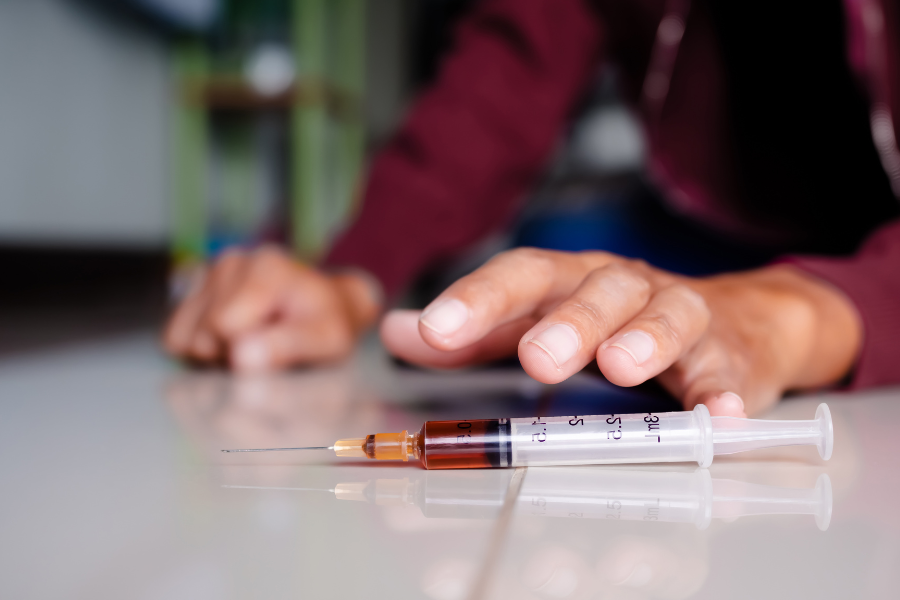
Opiate addiction inflicts profound and pervasive harm on individuals and their families, manifesting in multifaceted ways. Physically, it wreaks havoc on health, causing respiratory depression, constipation, and heightened susceptibility to infections like HIV and hepatitis. Neurologically, it hijacks the brain's reward system, fostering a relentless cycle of craving and withdrawal. Psychologically, it fuels a downward spiral of despair, often compounded by mood disorders and impaired decision-making. Socially, it ruptures relationships and isolates individuals from their support networks, leaving them vulnerable and marginalized. Financially, it depletes resources through compulsive drug-seeking behaviour and mounting healthcare costs. Commonly abused opiates include prescription medications like oxycodone, hydrocodone, and morphine, as well as illicit substances such as heroin and fentanyl. The insidious grip of opiate addiction underscores the critical need for comprehensive intervention strategies and support services to mitigate its profound and enduring impact.
STIMULANT ADDICTION
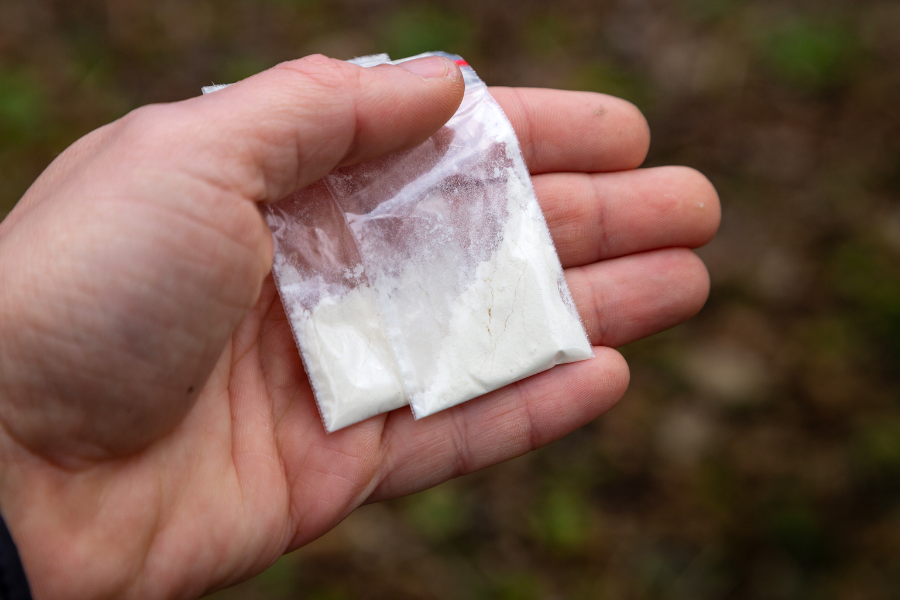
Stimulant addiction imposes significant burdens on individuals and their families, penetrating every facet of their lives with severe repercussions. Physically, it deteriorates health, leading to cardiovascular issues, sleep disturbances, and nutritional deficiencies. Neurologically, it alters brain function, perpetuating an unyielding cycle of cravings and withdrawal symptoms. Psychologically, it intensifies feelings of anxiety, paranoia, and mood instability, while impairing cognitive abilities and promoting risky behaviors. Socially, it fractures relationships, isolates individuals from their support systems, and fosters a sense of disconnection and societal disapproval. Financially, it depletes resources through compulsive spending on drugs and mounting medical bills. Commonly misused stimulants include cocaine, methamphetamine, and prescription drugs such as Adderall and Ritalin. The extensive impact of stimulant addiction underscores the imperative for comprehensive support mechanisms and interventions to mitigate its lasting consequences and facilitate the path to recovery.